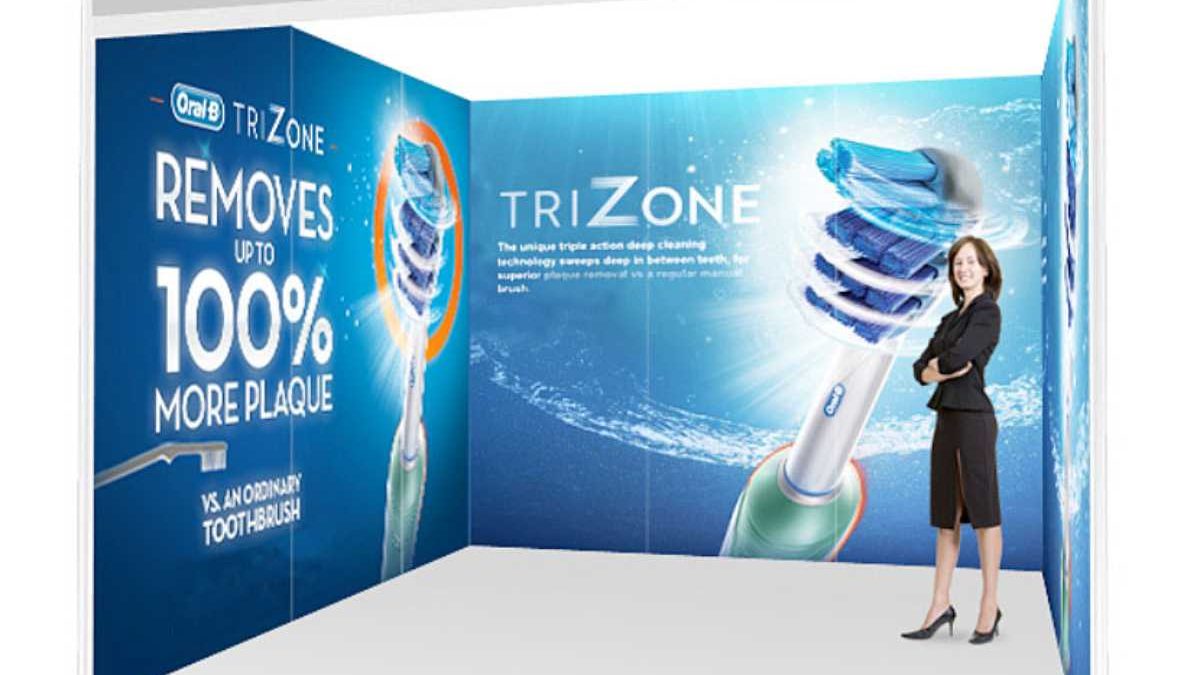
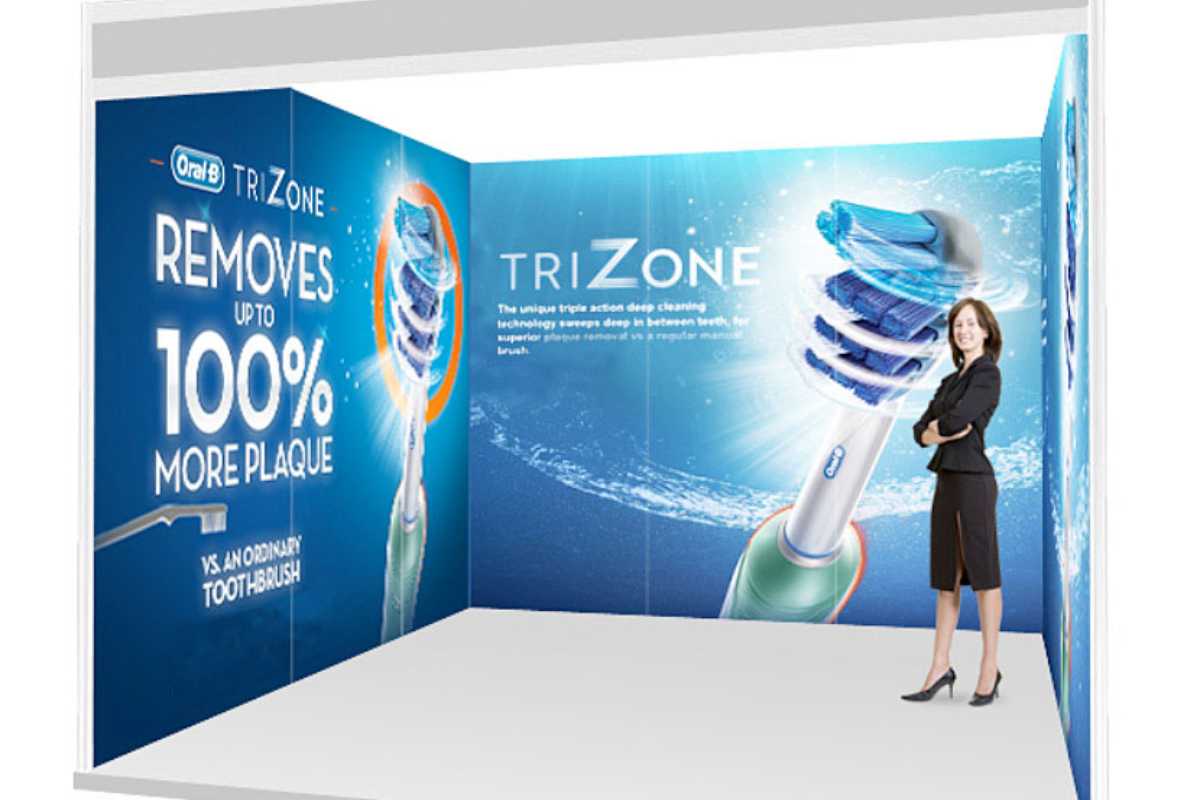
Static booths and printed banners still show up at plenty of events, but they rarely leave a lasting impression on their own. Audiences expect more than a branded backdrop and a table of handouts. They want something they can interact with, respond to, and remember after the event ends. This article draws on current-event marketing trends and real-world campaign examples to show how immersive brand experiences are changing the standard.
That shift is easy to understand. Brands are under pressure to create in-person moments that do more than attract foot traffic. They need environments that support engagement, lead capture, storytelling, and follow-up, all without creating more stress for the team running the event.
Table of Contents
The best experiences invite people to participate
Experiential marketing stands out when people feel pulled into the action rather than standing on the sidelines. That is why so many brands are replacing passive setups with interactive displays, LED environments, and digital signage solutions that guide visitors through a space in real time.
Used well, these tools can welcome attendees, highlight product features, change messaging throughout the day, and create a smoother path from first impression to meaningful conversation. Rather than showing the same static content repeatedly, brands can shape the experience based on traffic flow, audience type, or event goals.
Nike’s Rise concept in Seoul shows what this looks like at a high level. Nike described the store as a connected retail environment that blends digital and physical touchpoints to create a more immersive and localized brand experience. It serves as a strong example for marketers, as it shows that a physical space can behave more like a responsive brand platform than a traditional store.
Netflix also used this approach in its Upfront activation, where the brand created an environment to immerse advertisers in its content universe rather than relying on a standard presentation format. The experience gave visitors something to explore, not just something to watch. That is often what separates a memorable activation from one people forget before they leave the venue.
These examples work since the technology supports a larger idea. The goal is not to add screens for the sake of looking modern. The goal is to make the audience feel like they are part of something active.
Strong event design combines creativity with reliability
A flashy concept can grab attention, but execution is what determines whether the experience succeeds. If check-in is slow, content is out of date, or equipment fails during a busy window, the experience loses momentum fast.
That is why many brands now look for event environments that integrate interactive displays, AV support, digital signage, and operational tools into a single system. A branded space performs better when the technology works together rather than being managed in separate parts.
Another helpful example comes from Samsung’s work with Altitude Trampoline Park. The venue used connected digital displays across multiple guest touchpoints, including check-in, concessions, and party areas. Those screens helped improve navigation, update promotional content, and support the guest experience in ways that were both engaging and practical. In other words, the screens were not just visual decoration. They helped the location function better.
The same thinking applies to conferences, trade shows, pop-ups, and sponsored lounges. Interactive displays can help attendees find information without having to wait for a staff member. Large-format screens can shift the mood of a space in seconds. Dynamic signage can direct guests to the next step, promote live sessions, or support lead retrieval with less friction.
Brands need a partner that can support interactive displays, digital signage, event technology, AV production, and on-site service as part of one cohesive experience. When all of those pieces work together, the result feels polished, responsive, and easier to manage under pressure.
Useful experiences tend to outperform flashy ones
The strongest examples of experiential marketing usually share one common trait: they help people do something while making the brand more memorable.
That help can take different forms. A touchscreen might simplify product discovery. A digital display network might guide attendees through a venue. A responsive LED backdrop might transform a stage area from one session to the next. In each case, the experience gives visitors something of value rather than merely asking for their attention.
That shift matters. A traditional booth often depends on someone deciding to stop. An immersive environment gives people a reason to stay, explore, and interact.
For marketing teams planning future activations, a few questions can sharpen the strategy. Can the audience shape the experience in some way? Can content be updated in real time? Also, can the environment support both storytelling and practical event needs? do the technology scale without adding pressure to the internal team? Those are the questions that often lead to better event outcomes.
Why smarter environments create stronger brand recall
Experiential marketing no longer needs to rely on oversized booths or stacks of printed materials to get noticed. The most effective examples now use interactivity, motion, and connected content to turn a branded space into a live environment.
For brands that want stronger engagement and better recall, the opportunity is not simply to show up bigger. It is to show up smarter. When interactive displays, responsive content, and digital signage solutions are used with purpose, the result is an experience people are more likely to remember and talk about after the event.